Ravan Background Artwork
The Navashirsha Philosophy

The Ten Faces of Emotion

In classical dramaturgy, mastery over the complete spectrum of human expression requires embodying the ten distinct facets of the psyche.

Dashashīrsha • The Decafaceted Performer

The 10 Heads & Their Acting Expressions

Head 01

Sorrow (Shoka)

Channeling grief, vulnerability, and tragic emotional depths.

Head 02

Fear (Bhaya)

Mastering adrenaline, suspense, and physical survival instincts.

Head 03

Disgust (Jugupsa)

Conveying moral aversion, rejection, and sharp revulsion.

Head 04

Wonder (Vismaya)

Portraying awe, sudden revelation, and childlike curiosity.

Head 05

Wisdom (Jnana)

Subtle intellectual composure, subtext, and strategic pause.

Head 06

Passion (Raga)

Driving desire, intense motivation, and fiery character goals.

Head 07

Heroism (Vira)

Commanding stage presence, confidence, and valor.

Head 08

Rage (Krodha)

Explosive emotional outbursts, controlled fury, and conflict.

Head 09

Joy (Hasya)

Exuberance, comedic timing, and uncontainable euphoria.

Head 10

Peace (Shanta)

Absolute emotional equilibrium, stillness, and inner silence.

Nala Background Artwork
The Language of Repose

Nuance, Trust & Stillness

Beyond explosive dramatic expressions lie the subtle acting skills: physical repose, silent connection, and utter vulnerability.

Skill 01

Physical Repose & Weight

Understanding how muscles drop tension, how fatigue feels in limbs, and how to occupy space naturally during moments of rest.

Skill 02

Partner Trust & Touch

Conveying absolute safety, guardianship, and emotional reliance through physical contact and unforced proximity.

Skill 03

Vulnerability & Openness

Stripping away actor defense mechanisms to expose pure, unfiltered emotional states on camera or stage.

Skill 04

Environmental Integration

Interacting organically with the set, weather, or natural surroundings as if you have lived in that space for years.

Skill 05

Subtextual Gaze & Stillness

Where you look, how long your eyes linger, and the courage to remain completely motionless while holding the audience's attention.

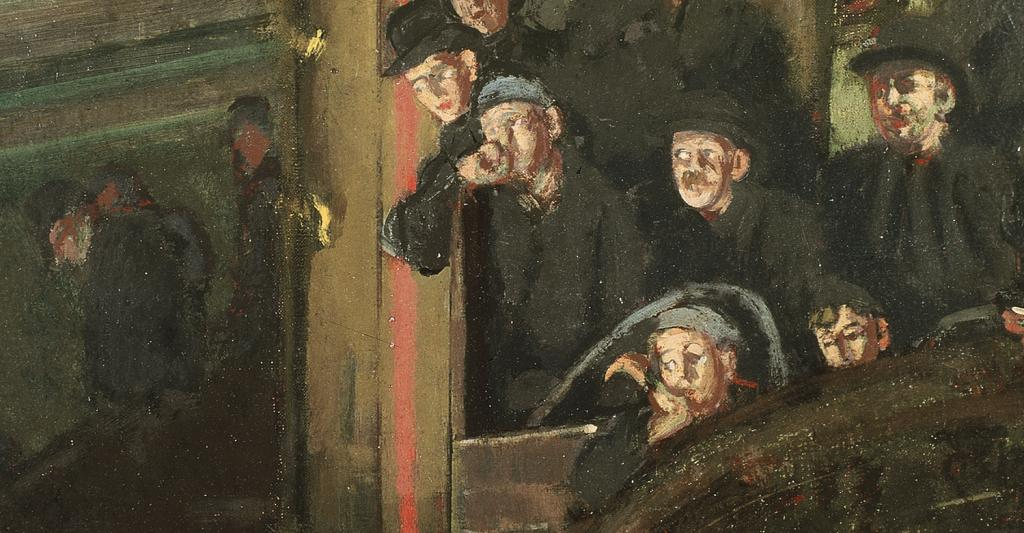
Actor Background Artwork
The Spectator & The Stage

Audience Connection & Presence

Mastering the bridge between the performer and the balcony. Command the room, read energy, and project intent outward.

Discipline 01

The Balcony Projection

Projecting vocal inflection and emotional intensity so every spectator in the farthest row feels intimately addressed.

Discipline 02

Reading Room Energy

Sensing the collective pulse of the audience and adjusting comedic timing and dramatic pauses in real time.

Discipline 03

Commanding Spatial Focus

Using body posture, light angles, and silence to direct all eyes in the auditorium onto your character at will.

Discipline 04

Live Stage Resilience

Maintaining absolute character immersion despite unexpected live theater variables and stage interruptions.